

laminated glass panels
The Synergistic Symphony of Rebar, Chair Spacers, and Reinforcement in Modern Architecture In the grand orchestra of modern architecture, rebar, chair spacers, and reinforcement play pivotal roles, harmoniously blending strength, stability, and aesthetics into a symphony of durability and beauty. This article delves into the synergistic relationship between these elements, showcasing their importance in contemporary building practices. Rebar (reinforcement bar), the muscular spine of concrete structures, is meticulously designed to withstand the tensile forces that would otherwise cause concrete to crack and fail. These steel bars are strategically placed to provide a framework that distributes loads evenly throughout the structure, ensuring both vertical and lateral support. Just as the roots of a tree provide anchoring, rebar lays the foundation for a structure's integrity, allowing it to reach skyward with confidence. Chair spacers, though diminutive in size, are no less crucial. These plastic or metal components serve as placeholders during the pouring of concrete slabs, maintaining an equidistant gap between the rebars. By doing so, they ensure a consistent distribution of rebar throughout the slab, preventing any potential weak spots where the concentration of stress could lead to failure. In essence, chair spacers are the conductors of this architectural orchestra, ensuring each instrument—or rebar—is perfectly positioned for optimal performance. Reinforcement, the broader concept encompassing rebar and other structural enhancements, acts like a safety net, providing redundancy should one element fail Reinforcement, the broader concept encompassing rebar and other structural enhancements, acts like a safety net, providing redundancy should one element fail Reinforcement, the broader concept encompassing rebar and other structural enhancements, acts like a safety net, providing redundancy should one element fail Reinforcement, the broader concept encompassing rebar and other structural enhancements, acts like a safety net, providing redundancy should one element fail rebar chair spacers reinforced . It is not merely an addition but a fundamental design philosophy that anticipates and mitigates risks before they become threats. From post-tensioning cables to shear walls, reinforcement techniques are varied and specialized, tailored to the unique needs of each structure. Together, rebar, chair spacers, and reinforcement strategies form an alliance that transcends individual capabilities. Their combined effort is a testament to the ingenuity of human design, where every component, no matter its size or apparent significance, contributes to the greater whole. Like notes in a complex composition, each element must be precise and harmonious for the final masterpiece to stand tall and proud, enduring the tests of time. In conclusion, rebar, chair spacers, and reinforcement work in tandem to create structures that are not only visually striking but also engineered to stand firm against the elements. This trifecta of architectural essentials ensures that the edifices we inhabit today will continue to shelter future generations, bearing witness to our commitment to resilience and beauty in design.
about
laminated glass panels
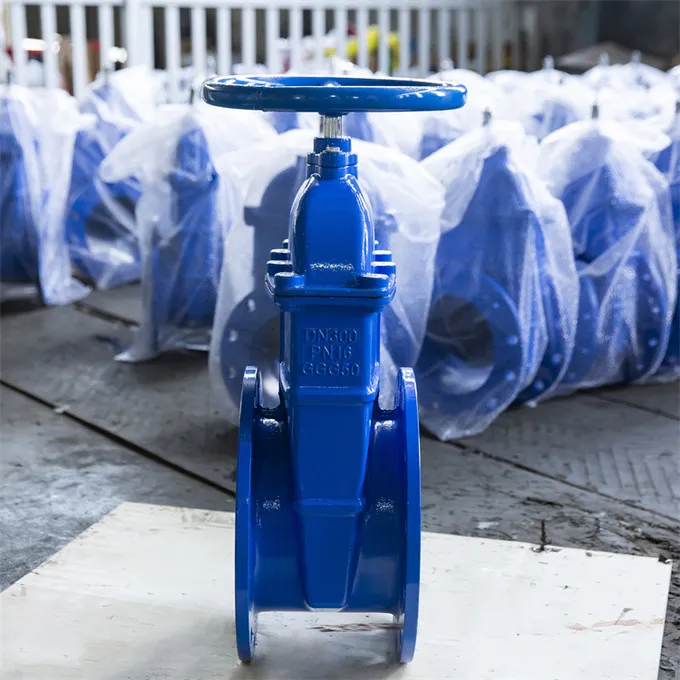
Replacing Water Cut-Off Valves A Comprehensive Guide Water cut-off valves are vital components in plumbing systems, allowing homeowners to control the flow of water to different areas of their property. Over time, these valves may wear out or become faulty, leading to leaks, decreased water pressure, or difficulties in shutting off the water supply during emergencies. Understanding how to replace these valves not only helps in maintaining the plumbing system but also empowers homeowners to take charge of their water management. Understanding Water Cut-Off Valves A water cut-off valve is designed to stop the flow of water when needed. It is typically located near fixtures like sinks, toilets, and appliances like washing machines. There are several types of cut-off valves, including ball valves, gate valves, and stop valves, each functioning slightly differently but serving the same essential purpose. Signs of a Failing Valve Recognizing the need to replace a water cut-off valve is crucial. Common signs include - Leaking Water pooling around the valve is a clear indicator that it may need replacement. - Difficulty Turning If the valve handle feels stiff or requires excessive force to turn, it may be worn out. - Rust or Corrosion Visible signs of rust can affect the functionality of the valve and indicate a need for replacement. Tools and Materials Needed Before starting the replacement process, gather the necessary tools and materials - Pipe wrench or adjustable wrench - Pipe cutter or hacksaw - New cut-off valve (ensure it matches the size of the old one) - Teflon tape or pipe joint compound - Bucket or towel (to catch any water) Steps for Replacing a Water Cut-Off Valve replacing water cut off valves 1. Turn Off the Main Water Supply Before making any changes, ensure the main water supply to your home is turned off to prevent flooding. 2. Drain the Faucet Open the faucet connected to the valve to drain any remaining water in the pipes. 3. Remove the Old Valve Using a wrench, carefully loosen the nuts or fittings holding the old valve in place. Be cautious, as water may still be present in the pipes. Once loose, remove the valve completely. 4. Prepare the New Valve Wrap Teflon tape around the threads of the new valve to ensure a watertight seal. This step is essential for preventing leaks. 5. Install the New Valve Attach the new valve to the plumbing, ensuring it aligns with the existing pipes. Tighten the fittings by hand, followed by a wrench to secure them, but avoid overtightening, which could damage the valve. 6. Turn the Water Supply Back On Once the new valve is installed, turn the main water supply back on and check for any leaks around the new valve. 7. Test the Valve Turn the new valve on and off to ensure it functions correctly. Look carefully for any signs of leakage during this process. Conclusion Replacing water cut-off valves can be a straightforward DIY task that saves money on plumbing services and ensures your home’s plumbing system functions effectively. By being aware of the signs that indicate a failing valve and following the above steps, homeowners can maintain better control over their water supply and avoid costly repairs in the future. Always remember safety first, and when in doubt, consult a professional plumber for assistance.
-

High quality industrial productsagement

High quality industrial products
View Details -

Meet the diverse needs of customers

Meet the diverse needs of customers
View Details -

Strict quality control

Strict quality control
View Details -

Top raw materials

Top raw materials
View Details -

Trusted supplier

Trusted supplier
View Details
Our application

news and information

Water Shutoff Valve Operation and Maintenance Guide for Homeowners and Professionals
Understanding Water Valve Shutoff Importance and Procedures Water valve shutoff is a critical compon
Versatile Clamping Solutions for Welding Tables and Projects
The Importance of Welding Table Clamps in Metal Fabrication Welding is an essential process in metal

using v blocks
Utilizing V Blocks A Comprehensive Guide V blocks are essential fixtures in machining and manufactur
 English